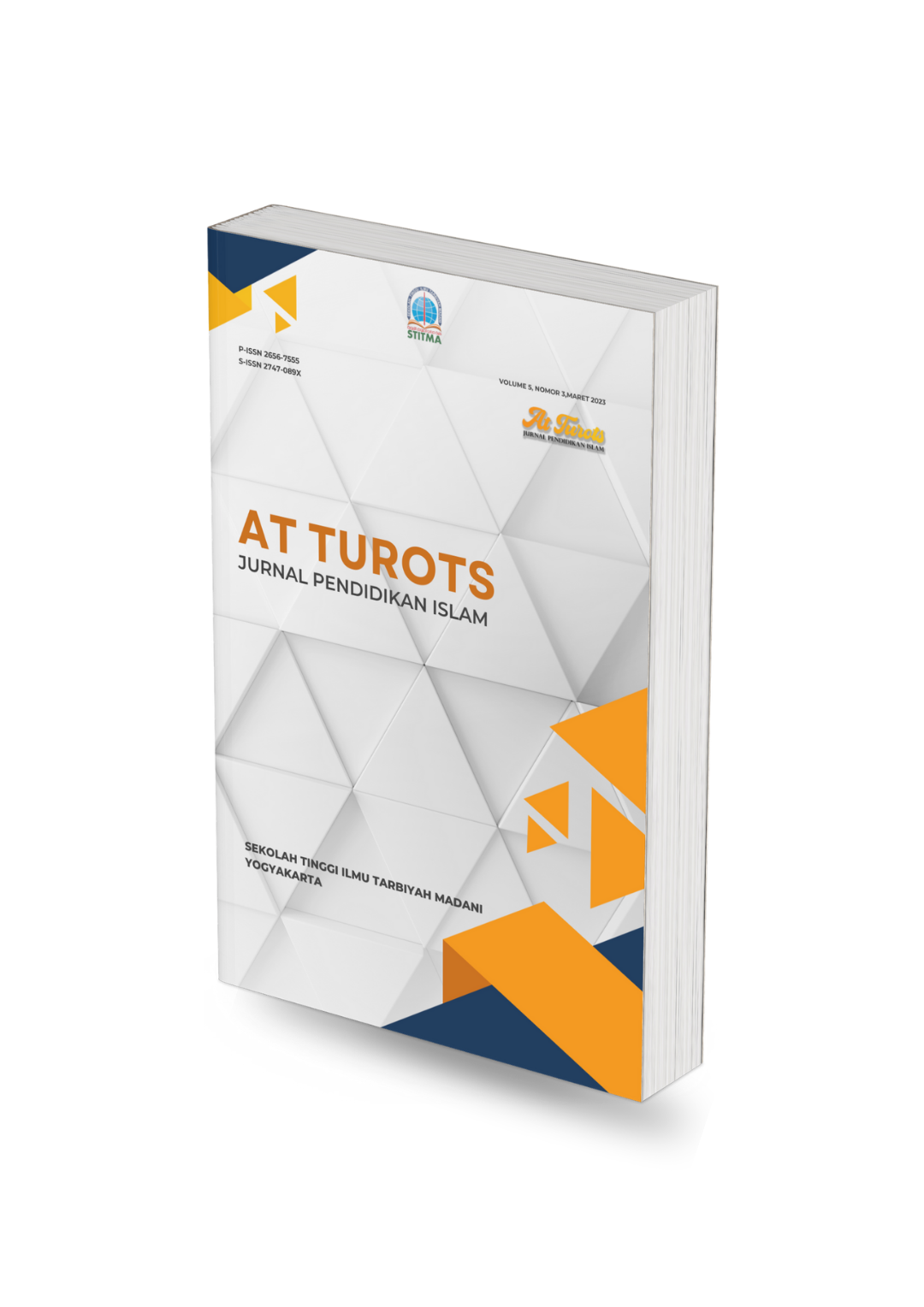
The Dimension of Tawhid in the Development of Islamic Civilization: A Qualitative Study on the Concept of al-Ḥaḍārah in the Islamic Worldview
DOI:
https://doi.org/10.51468/jpi.v8i2.1243Keywords:
Tawhid, Islamic Civilization, Ali Ahmad Madkur, Education and Culture, Spiritual and Rational ValuesAbstract
This study analyzes the concept of al-ḥaḍārah (civilization) as presented by Ali Ahmad Madkur in Manāhij At-Tarbiyah fī At-Taṣawwur Al-Islāmī, emphasizing tawhid as the foundation for building Islamic civilization. The research aims to: (1) explain the idea of civilization within the Islamic worldview; (2) examine the role of tawhid as a guiding principle in civilizational development; (3) explore the link between tawhid, education, and culture in shaping moral civilization; (4) compare the Islamic civilization paradigm based on tawhid with the secular and materialistic Western model; and (5) assess Madkur’s relevance to modern civilization rooted in spirituality, ethics, and faith. Using a descriptive qualitative method with a library research approach, this study interprets Madkur’s view of civilization through thematic content analysis, including data reduction, presentation, and interpretation. The primary source is Madkur’s work, supported by secondary Islamic thought literature and civilizational studies. The findings reveal that Madkur’s concept of al-ḥaḍārah rests on tawhid as the core of civilizational formation. Tawhid integrates education and culture to nurture knowledgeable, ethical, and civilized individuals. Unlike the Western secular civilization, which separates spirituality from material progress, Islam unites faith, knowledge, and action in every aspect of life. Madkur’s perspective remains relevant today, offering a balanced paradigm that harmonizes spiritual and rational values to build a faith-based, knowledgeable, and ethical society that promotes universal well-being.
References
Alsalloum, A. (2023). Preserving and Celebrating Syrian Intangible Cultural Heritage in the UK: Strategies, Insights, and Untold Narratives. Heritage, 6(10), 6718–6744.
Ansor, A., & Zaitun, Z. (2021). Syed Muhammad Naquib Al-Attas: Islamization of Knowledge by Developing Genuine Islamic Paradigm. Jurnal Islamika, 4(2), 73–87. https://ejurnal.umri.ac.id/index.php/JSI/article/download/3077/1746
Fadlillah, N., Bakar, M. Y. A., & Assegaf, A. R. (2023). Optimizing Human Development: The Relevance of Hasan Langgulung’s Concept of Islamic Education in the 21st Century. Jurnal Penelitian Pendidikan Islam, 11(1), 18. https://doi.org/10.36667/jppi.v11i1.1525
Haq, M. Z., Mutis, B. E., & Philips, G. (2025). Religion and Contemporary Ecology : Laudato Si ’ and Ibn Arabi ’ s Ecospirituality in the Perspective of Open Integrity. PROGRESIVA: Jurnal Pemikiran Dan Pendidikan Islam, 14(01), 19–38. https://doi.org/https://doi.org/10.22219/progresiva.v14i01.38032
Herfany, V. M., & Abdurrasyid, A. (2024). The Role of Islamic Religious Education Teachers in Shaping Students’ Character at SMK 8 Negeri Medan. JIM: Jurnal Ilmiah Mahasiswa Pendidikan Sejarah, 9(4), 1099–1108. https://doi.org/10.24815/jimps.v9i4.33600
Hermawan, A. H., Nasir, T. M., Sabarudin, M., Sugiana, Y., Ambya, R., Hasanah, A., & Arifin, B. S. (2025). A Systematic Study of Character Education that Integrates Islamic and Global Moral Values. Ta’dibuna : Jurnal Pendidikan Islam, 14(4), 267–289. https://doi.org/10.32832/tadibuna.v14i4.19848
Hidayat, T., Rizal, A. S., & Fahrudin, F. (2018). Peran Pondok Pesantren Sebagai Lembaga Pendidikan Islam di Indonesia. Ta’dib: Jurnal Pendidikan Islam, 7(2), 1–10. https://doi.org/10.29313/tjpi.v7i2.4117
Iman, F. N. (2019). Wawasan Alquran Karya M. Quraish Shihab (Sebuah Kajian Intertekstualitas Tafsir di Nusantara). 5(1), 95–115. https://media.neliti.com/media/publications/516833-none-4dd81639.pdf
Jauhari, C., Mujahada, K. S., & Ahadi, A. (2025). Islam The role of the principal in fostering al-akhlaq al-karimah among students at smait darul rasyid east lampung. At Turots : Jurnal Pendidikan, 7(1), 149–160. https://doi.org/https://doi.org/10.51468/jpi.v7i1.862
Madkur, A. A. (1992). Manāhij At-Tarbiyah fī At-Taṣawwur Al-Islāmī. Dār al-Fikr al-‘Arabī.
Maman, M., Musthafa, I., & Priatna, H. (2022). Pemikiran Ali Ahmad Madkur tentang Pandangan Posistif (Al-Ijabiyah) Kurikulum Pendidikan Islam. JIIP (Jurnal Ilmiah Ilmu Pendidikan, 5(September), 3378–3383. https://doi.org/https://doi.org/10.54371/jiip.v5i9.849
Mashuri, S., Futaqi, S., & Sulhan, A. (2024). Spiritual Base of Pesantren for Building Multicultural Awareness in Indonesia Context. Jurnal Ilmiah Islam Futura, 24(1), 1–20. https://doi.org/10.22373/jiif.v24i1.17141
Miles, M. B., Huberman, A. M., & Saldana, J. (2014). Qualitative Data Analysis A Methods Sourcebook (Vol. 17).
Miles, M. B., Huberman, A. M., & Saldana, J. (2020). Qualitative Data Analysis : A Methods Sourcebook. In Buku Teks Umum (4th ed., p. 380). California : SAGE. https://opac.ut.ac.id/detail-opac?id=38763
Moleong. (2019). Metodologi Penelitian Kualitatif (Edisi Revisi). PT. Remaja Rosda Karya. Https://Doi.Org/10.1016/j.Carbpol.2013.02.055, 95(1), 100–106.
Nasir, T. M., & Karimah, R. S. (2023). The Foundation of the Development of Science and Technology in the PAI Curriculum (Aqidah Akhlaq Curriculum Analysis) in Indonesia. Zona Education Indonesia, 1(1), 7–16. https://ejournal.zona-edu.org/index.php/ZEI/article/download/2/2
Rachmadianti, I., & Haryanto, B. (2025). Pemikiran Syed Muhammad Naquib al-Attas tentang Konsep Ta’dib dalam Membentuk Manusia Beradab. Tasfiyah Jurnal Pemikiran Islam, 9(1), 27–49. https://doi.org/https://doi.org/10.21111/tasfiyah.v9i1.13709
Ratnasari, D., & Shodikin, E. N. (2021). Islam Nilai Pendidikan Islam dalam Al- Qur ’ an Kajian Amtsal ( Perumpamaan ) Al- Qur ’ an. At Turots : Jurnal Pendidikan, 3(2), 106–117. https://doi.org/https://doi.org/10.51468/jpi.v3i2.73
Robaeah, W. N., Irawan, I., & Nasir, T. M. (2023). Charismatic Kyai Leadership and Its Relationship to the Character Building of Santri at Islamic Boarding Schools in Plered Purwakarta District. Islamika, 5(2), 721–742. https://doi.org/10.36088/islamika.v5i2.3155
Robaeah, W. N., Muh Nasir, T., Komara, D., Sobariah, E. D. S., & Permana, H. A. (2024). Kuntowijoyo’s Perspective Prophetic Education Concept and Its Implementation in Aqidah Moral Subjects. Ta’dib: Jurnal Pendidikan Islam, 29(1), 103–117. https://doi.org/10.19109/td.v29i1.23880
Rohmah, L., Rahayu, D. P., & Latif, M. A. (2021). Spiritual-Based Entrepreneurship Education for Early Childhood: Lesson From Indonesia. Jurnal Pendidikan Islam, 10(2), 159–180. https://doi.org/10.14421/jpi.2021.102.159-180
Saepudin, A. (2023). Character Education in Islam: The Role of Teachers in Building Islamic Personality in Elementary Schools. International Journal of Science and Society, 5(5), 1172–1185. https://doi.org/10.54783/ijsoc.v5i5.1266
Shihab, M. Q. (2017). Membumikan Al-Qur’an: Fungsi dan Peran Wahyu dalam Kehidupan Masyarakat. Lentera Hati. https://www.scribd.com/doc/120960442/Quraish-Shihab-Membumikan-al-Quran
Sugiyono. (2018). Metode penelitian pendidikan, pendekatan kuantitatif,kualitatif dan R&D. Alfabeta.
Sulistyo, A., Faizah, E. N., & Shalihin, R. R. (2024). Islam Character education based on islamic inheritance law : a contextual strategy to address modern moral challenges. At Turots : Jurnal Pendidikan, 6(2), 411–418. https://doi.org/https://doi.org/10.51468/jpi.v6i2.781
Syarif, M. (2021). Penguatan Pendikan Agama Islam (PAI) Sebagai Kurikulum Inti di Sekolah. Jurnal Pigur, 2(1), 194–202.
Syihabuddin, M., Soleh, A. K., & Mursyid, A. Y. (2024). Islamization of Science Ismail Raji al-Faruqi and Integration-Interconnection of Science Amin Abdullah : A Comparative Study. Tasfiyah Jurnal Pemikiran Islam, 8(1), 55–80. https://doi.org/https://doi.org/10.21111/tasfiyah.v8i1.11278
Yudhyarta, D. Y., Zamsiswaya, Z., & May, A. (2025). Integrating Pancasila Values in Islamic Education : A Learning Model Based on Azyumardi Azra ’ s Perspective. Al-Ishlah: Jurnal Pendidikan, 17(3), 4368–4380. https://doi.org/10.35445/alishlah.v17i3.7318
Yudiyanto, M., Nasir, T. M., Rahmat, R., Imron, A., & Haryanti, E. (2025). Islam Paradigm Study : Integration of Knowledge of UIN Maulana Malik Ibrahim Malang. At Turots : Jurnal Pendidikan, 7(1), 467–476. https://doi.org/https://doi.org/10.51468/jpi.v7i1.802
Zuhaili, M., Basir, K., Sham, F., Nur, A., Abdullah, T., Nasarudin, M., Jafri, F., Soteh, A., & Hafizz, M. (2025). Exploring the role of digital da ’ wah in promoting green initiatives : A mini review. Sustainable Futures, 10(August), 101099. https://doi.org/10.1016/j.sftr.2025.101099